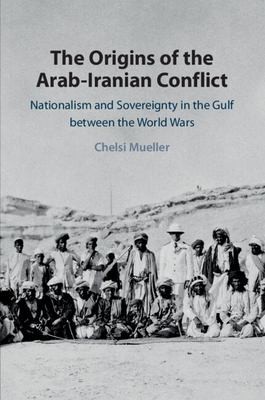
The Origins of the Arab-Iranian Conflict
Nationalism and Sovereignty in the Gulf between the World Wars
Chelsi Mueller
Cambridge University Press, 2020 · English
A diplomatic history of the Persian Gulf between the two world wars, arguing that Iranian nationalism and Arab responses in this period laid the roots of the Arab–Iranian conflict.
Chelsi Mueller draws on British colonial records, published documents of the Iranian foreign ministry and Arabic sources to argue that the interwar years were a turning point that separated a long history of interconnection across the Gulf from an era of geopolitical rivalry and of an Arab–Iranian divide. In her account, the nationalist policies of Reza Khan and Reza Shah fostered Arab nationalism in the Gulf shaikhdoms and drew Britain further into the internal affairs of its protectorates. After an overview of states and tribes in the premodern Gulf and of British policy between the wars, the chapters examine Iran’s Gulf policy from 1919 to 1941 and its relations with the Trucial States and with Bahrain.
- Subjects
- Foreign policy, Identity and nationalism
- Discipline
- History
- Period
- 1900–1979
Details
- Publisher
- Cambridge University Press
- Published
- 2020
- Pages
- 292
- Language
- English
- ISBN
- 978-1-108-73341-0
Contents
- Chronology of Major Events
- Introduction
- 1 - States and Tribes in the Premodern Gulf
- 2 - British Policy in the Persian Gulf between the World Wars
- 3 - The Rise of Reza Khan and Iran’s Persian Gulf Policy, 1919–1925
- 4 - Reza Shah’s Persian Gulf Policy, 1925–1941
- 5 - The Trucial States, Iran, and the British
- 6 - Bahrain, Iran, and the British
- Conclusion