GlobIS Review, Volume 2, Issue 2 (©Background)
Volume 2, Issue 2 December 2025 Migration and the Iranian Diaspora
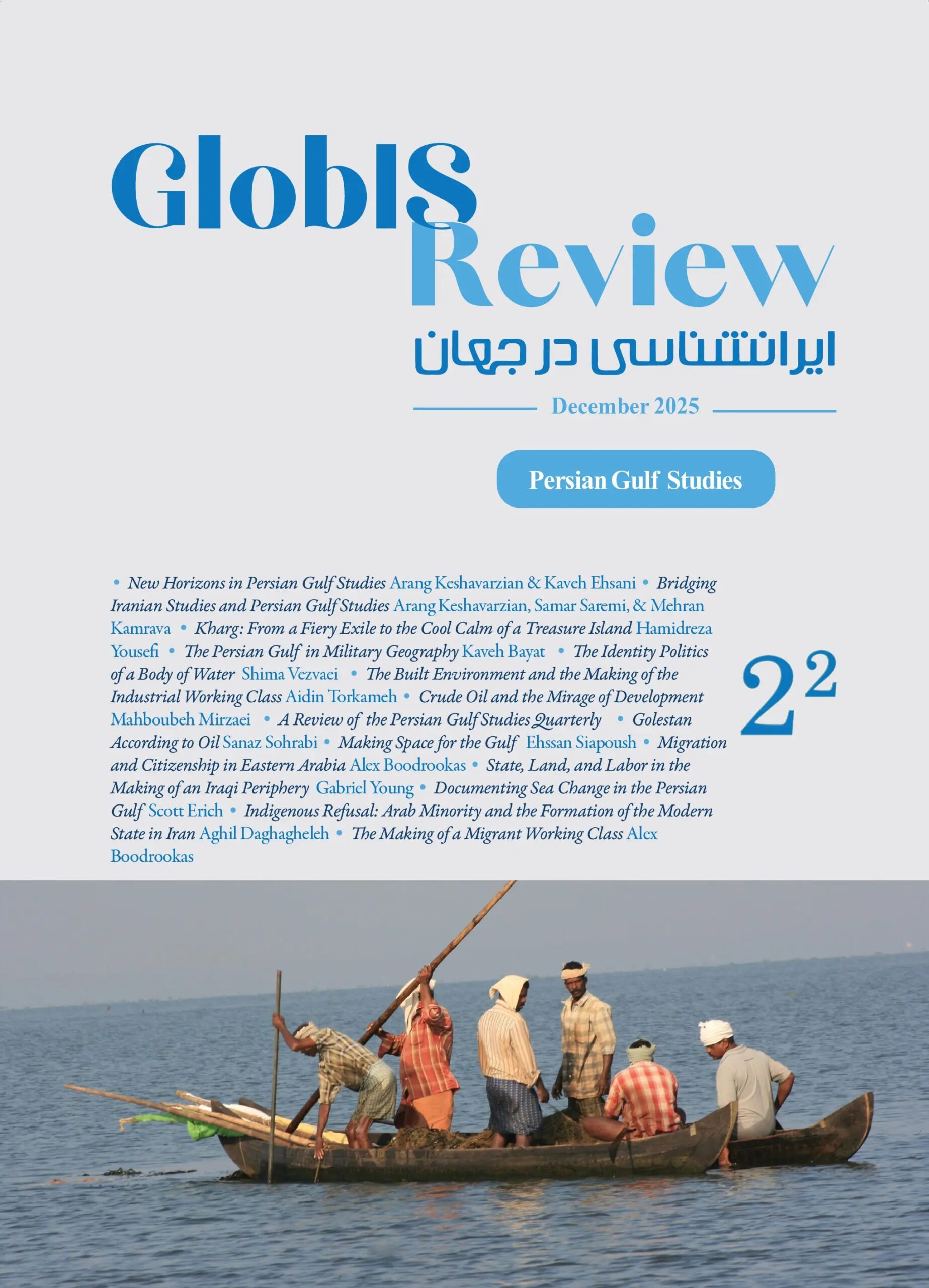
GlobIS Review
Volume 2, Issue 2
Persian Gulf Studies
December 2025
ISSN 2818-9434
Persian Gulf Studies
December 2025
ISSN 2818-9434
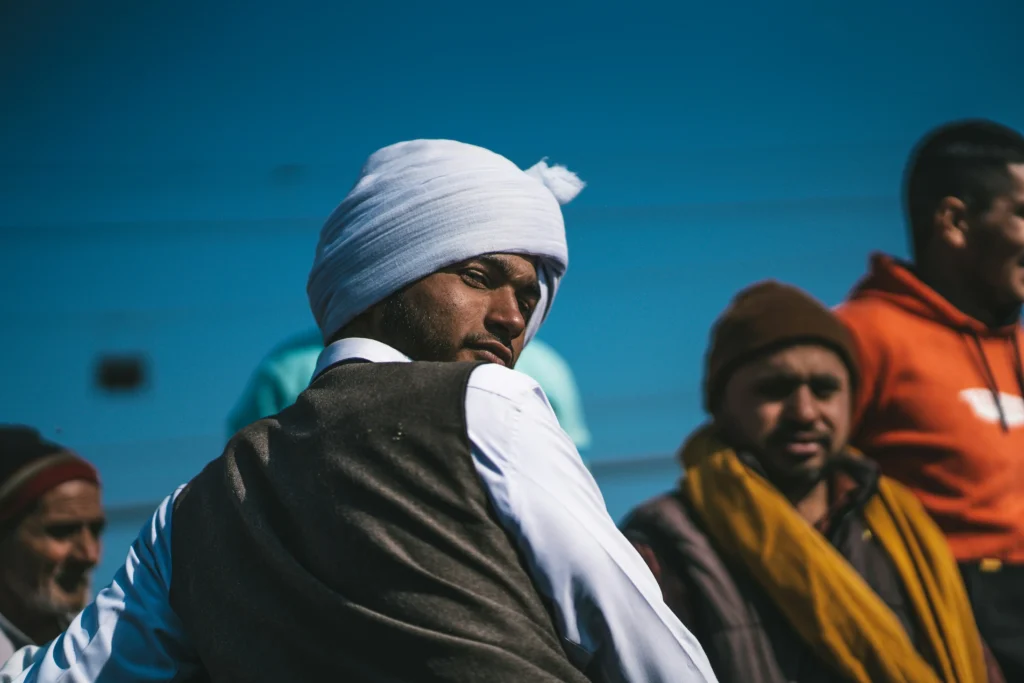
© Background Photo by Colin White on Unsplash
Editorial Note: Persian Gulf Studies
In recent years heat waves, droughts, sandstorms, toxic pollution, and more have made the lives of people living in and around the Persian Gulf challenging. Ongoing political crises and rising poverty in Iran and Iraq, the populous northern shore of the Gulf has given rise to extreme social inequalities that add fuel to the region’s already volatile geopolitical divisions....
Dialogue
New Horizons in Persian Gulf Studies
Azam Khatam, Arang Kesahvarzian, and Kaveh Ehsani
IIn this conversation, Azam Khatam speaks with Kaveh Ehsani (Associate professor of international studies, DePaul University) and Arang Keshavarzian (Proferssor of Middle Eastern and Islamic Studies, New York University New York University), both contributing editors to this special issue, about the trajectory of Persian Gulf Studies. Reviewing the longer history of the Persian Gulf, as well as engaging with trends in the fields of Gulf studies, they outline a new wave of scholarship that situates the Gulf within the history of capitalism and not bound by modern national borders…

Bridging Iranian Studies and Persian Gulf Studies
Arang Keshavarzian, Samar Saremi, and Mehran Kamrava
This interview explores the evolving landscape of Gulf Studies, highlighting the work of a scholar whose research bridges both Iranian Studies and Persian Gulf Studies. This interview with Mehran Kamrava examines his initiatives to open dialogue between social science scholars inside Iran and those abroad, reflecting on how cross-border engagement can enrich both local scholarship and the broader field of Iranian Studies globally. Arang Keshavarzian and Samar Saremi conducted this interview with Mehran Kamrava on October 7, 2025…
Social Science in Iran
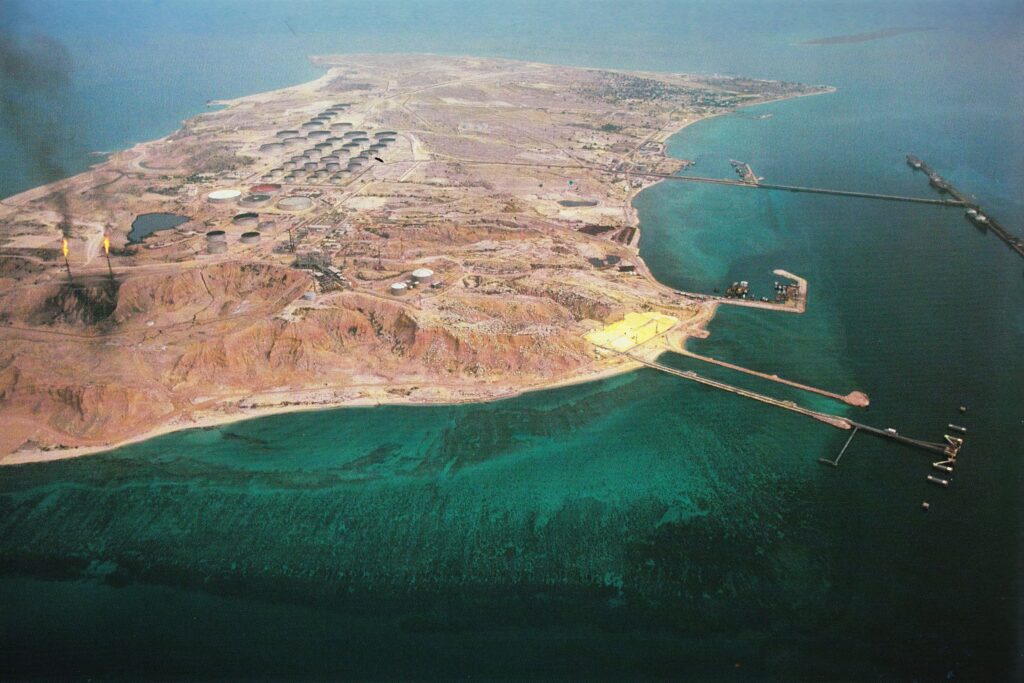
Kharg: From a Fiery Exile to the Cool Calm of a Treasure Island
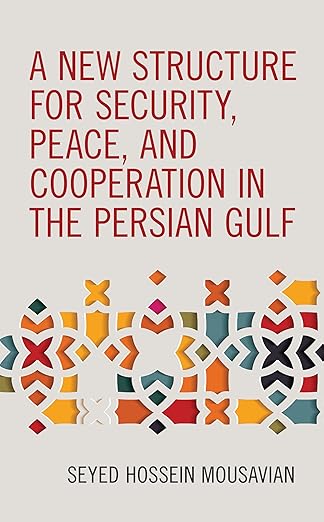
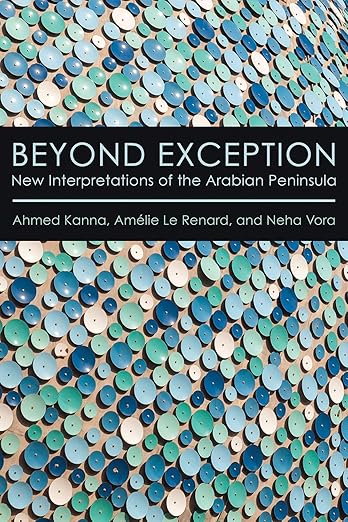
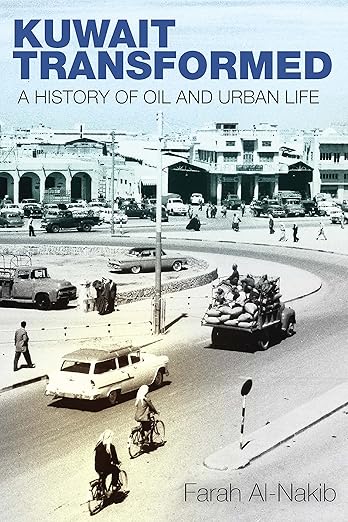
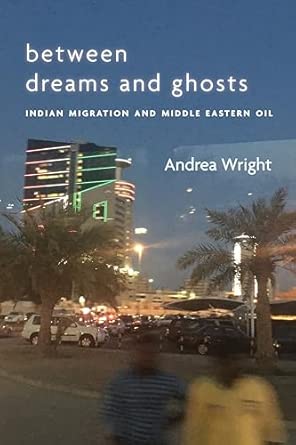
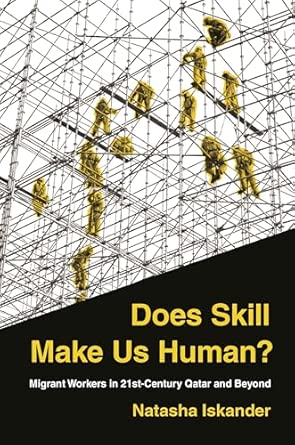
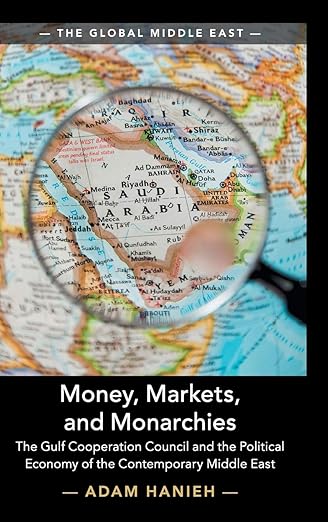
Review of Four Books
Hamidreza Yousefi
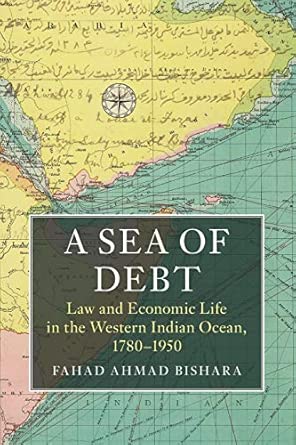
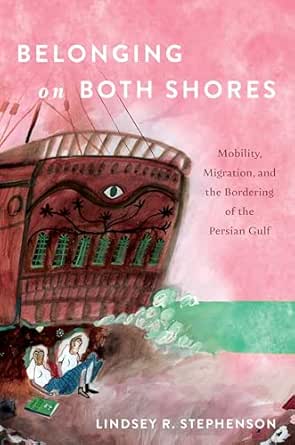
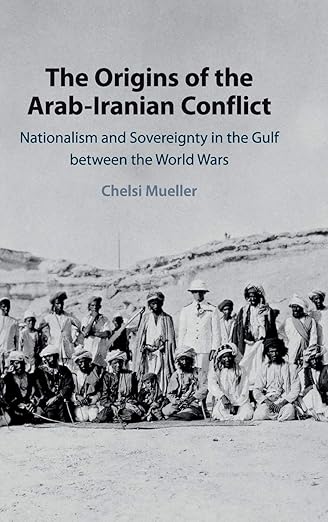
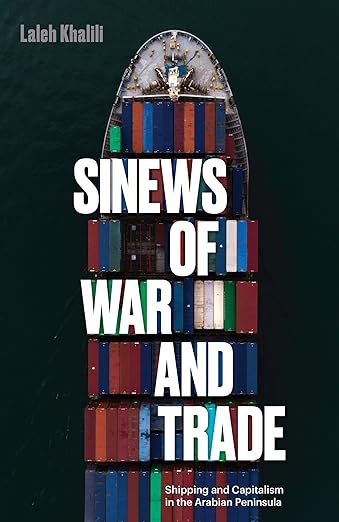
If we set aside the long and tumultuous history that Kharg has endured, the island acquired a distinct status during the reign of the second Pahlavi—both because of the political authority asserted by the state and because of the dominance of oil, the “black gold” of the modern age. On one side, Kharg became a place of exile for political opponents of the regime, particularly between 1946 and 1958, serving primarily as a site of banishment for leftists and members of the Tudeh Party. On the other side, with the discovery and expansion of oil operations, Kharg was transformed into the Pahlavi state’s “treasure island,” capable of financing Mohammad Reza Shah’s dreams of building a “modern” Iran…
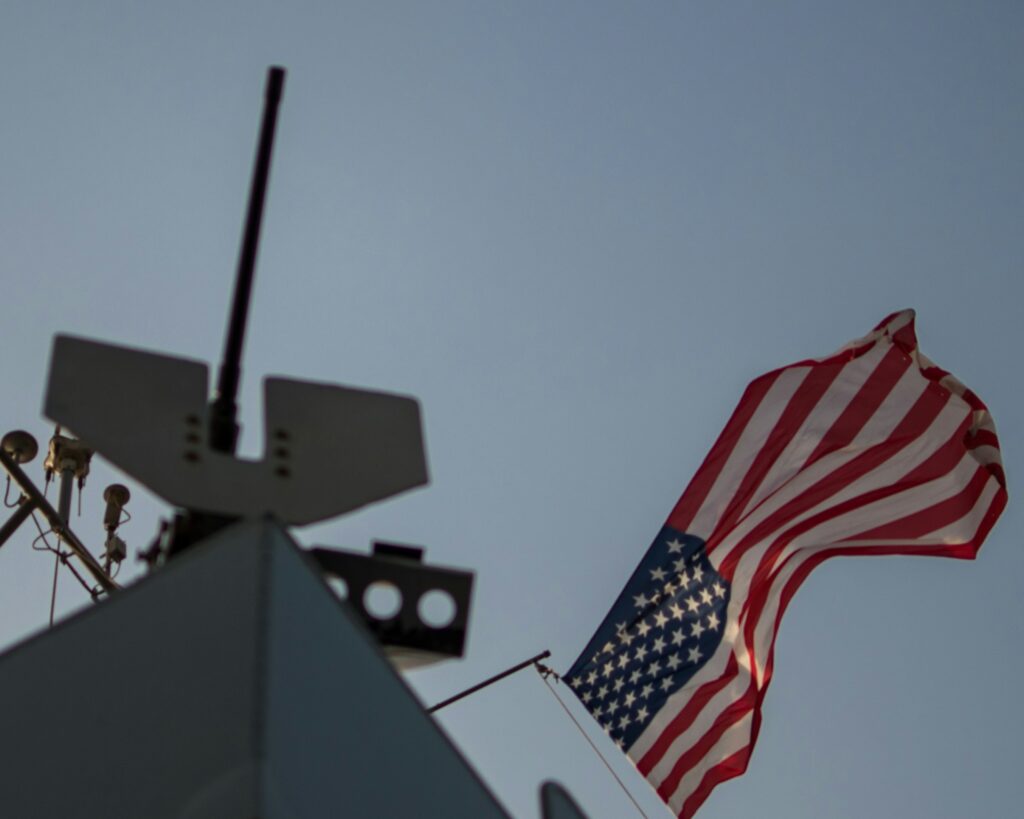
The Persian Gulf in Military Geography
Military Geography of Iran of Race by Haji Ali Razmara
Kaveh Bayat
The seventeen-volume collection Military Geography of Iran, published in Tehran between 1941 and 1946 and supervised by Brigadier General Haj Ali Razmara, is one of the most significant geographical sources on contemporary Iran, with The Iranian Islands in the Persian Gulf (1944) as its principal volume on the Persian Gulf. The order of publication and its underlying logic for separating the volumes are not clear to us, as Iran was then divided into six provinces according to the country division law of 1937…

The Identity Politics of a Body of Water: On Persian Gulf Studies in Iran
Research Center Review
Shima Vezvaei
The establishment of the field of “Persian Gulf Studies” and the creation of universities and research institutes bearing this title in Tehran or in Iran’s southern coastal provinces dates back to the first half of the 1990s. During the period known as Reconstruction era, the state sought to place the region’s resources more fully at the service of national economic growth through the development of marine sciences and investments in technologies of oil industryIt is noteworthy that Tehran is not specifically referenced in the Military Geography. Azerbaijan is divided into eastern and western parts, while a separate volume focuses on the deserts of Iran, which do not align with the geographic or military divisions of the country. (ibid.) The primary aim of compiling this collection, especially volumes on the border provinces, was to assess their defense capabilities—highlighting strengths and weaknesses while accounting for geography, communication lines, and other relevant factors. As we will see, the islands are particularly significant in this context…
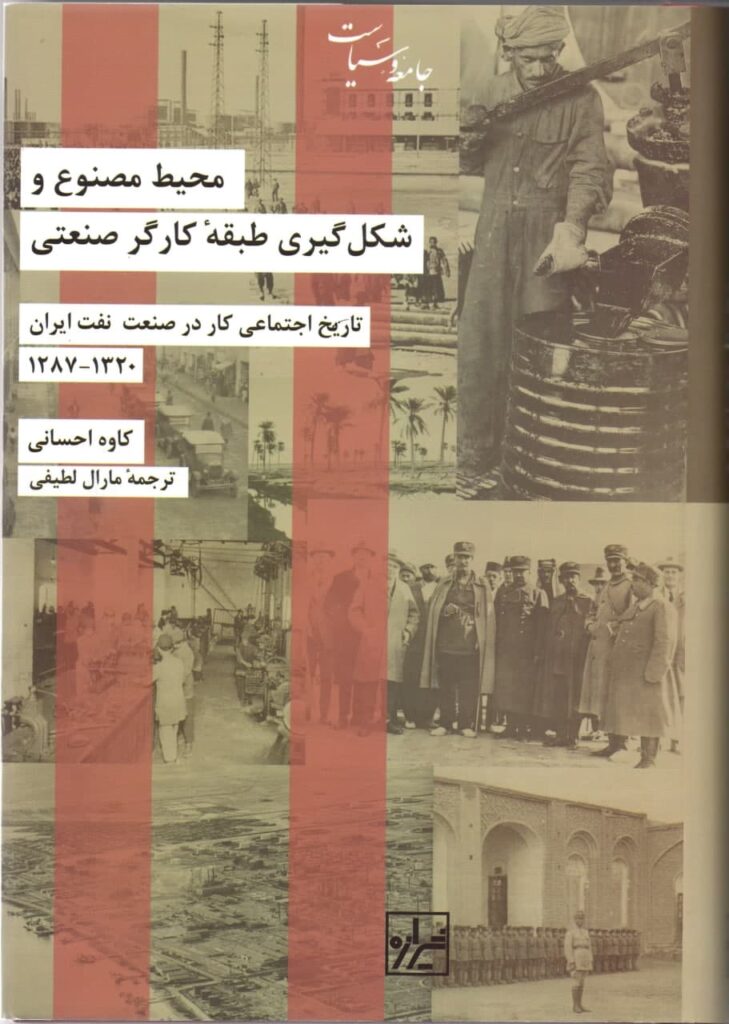
Local History of Oil Capitalism
The Built Environment and the Making of the Industrial Working Class: The Social History of Labor in the Iranian Oil Industry (1908-1941) by Kaveh Ehsani
Aidin Torkameh
In the absence of explicitly spatial historiographies of Iran, we definitely should celebrate the publication of Ehsani’s pioneering work in Persian which fills a vital gap in the literature. His work is a social history of labor in the Iranian oil industry, with a specific focus on space/geography. Ehsani’s theoretical framework is an eclectic combination of Marxist – most specifically, David Harvey – and poststructuralist urban/spatial perspectives. His entry point is urban, spatial, and geographic. Ehsani is highly influenced by actor-network theorists like Deleuze and Guattari, Bruno Latour, and specifically, by Timothy Mitchell…
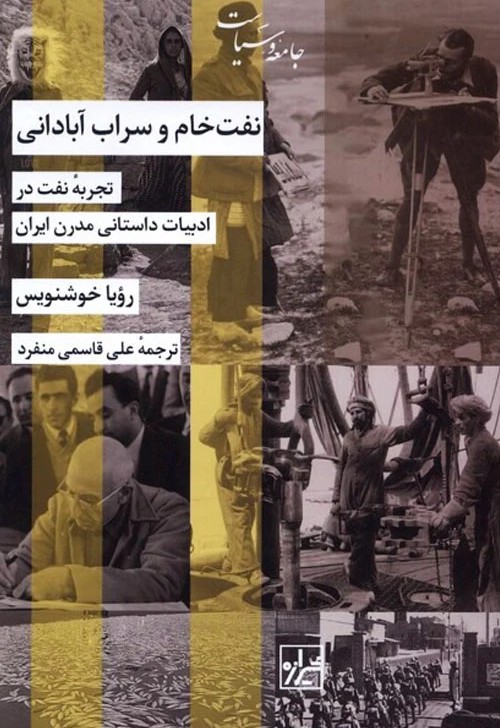
Crude Oil and the Mirage of Development
Crude Oil and the Mirage of Development by Roya Khoshnevis
Mahboubeh Mirzaei
Crude Oil and the Mirage of Development draws on Roya Khoshnevis’s doctoral dissertation, defended in 2021 at the University of Amsterdam, to explore the lived experience of oil as reflected in modern Iranian literature. It provides a fresh analysis of modern Iranian literature through the lens of Human Energy Studies, which explores how energy systems impact economic and political relations as well as collective consciousness, culture, and art and literature creative works…
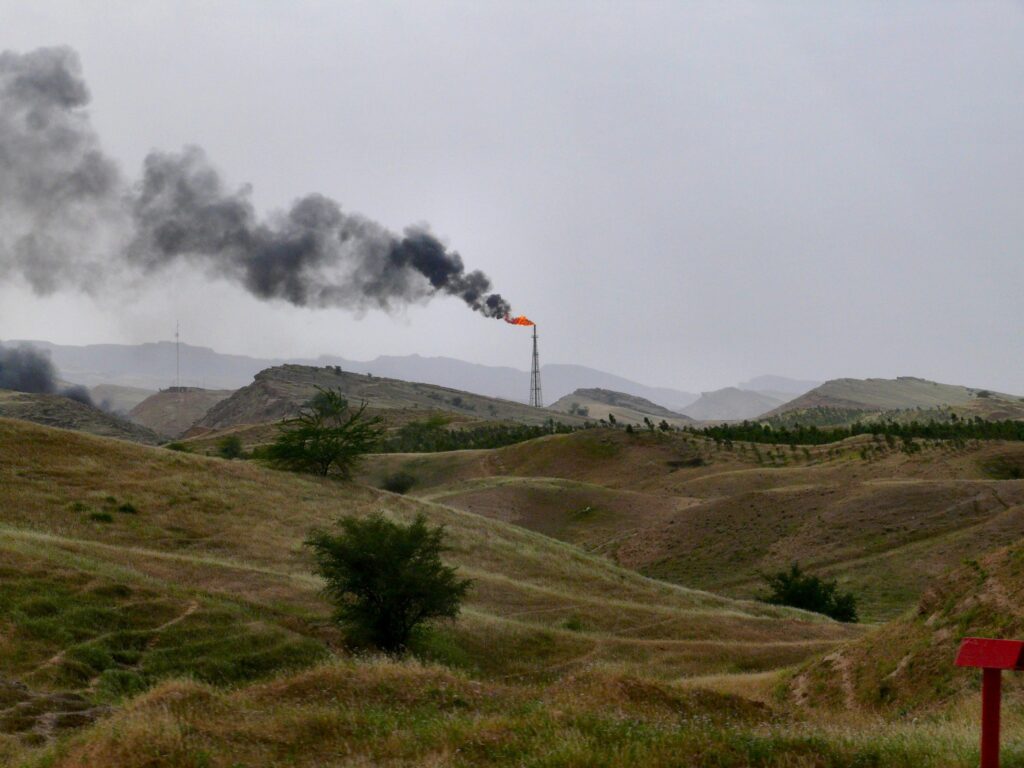
A Review of the Persian Gulf Studies Quarterly
Journal Review
The Persian Gulf Studies Quarterly (PGSQ) is one of the few Iranian periodicals dedicated exclusively to the study of the Persian Gulf. Since its launch in summer 2014, the journal has published twenty-seven issues, with the latest appearing in winter 2022…
Golestan According to Oil
Documentary Review
Sanaz Sohrabi
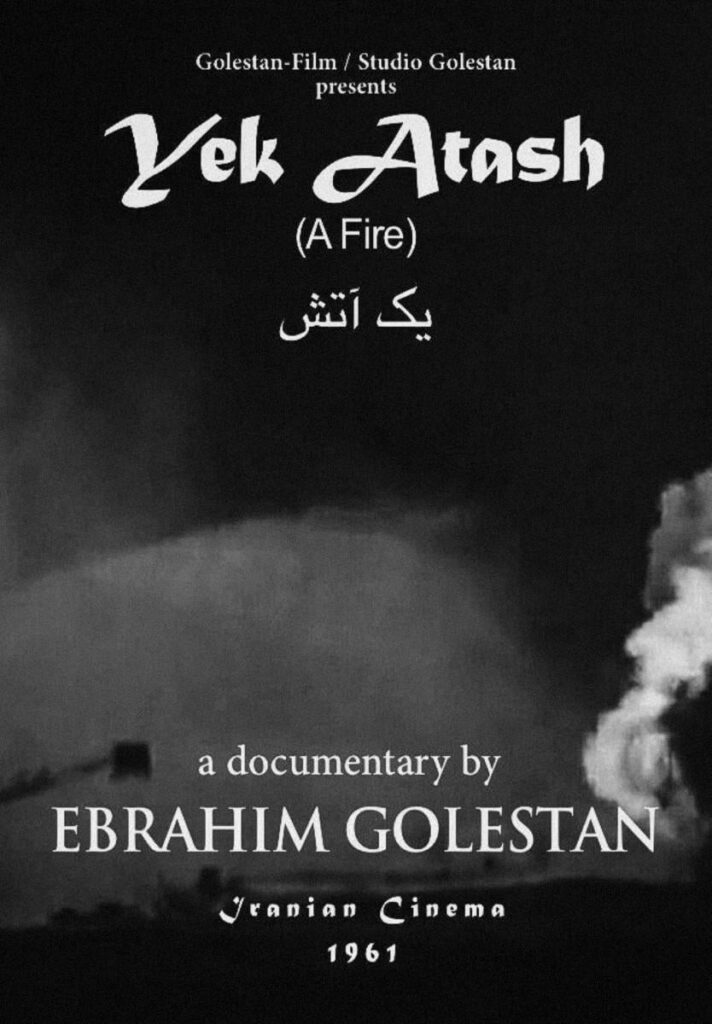
There has been a renewed interest in revisiting Ebrahim Golestan’s early documentary films about oil. This is in part due to the current focus on the historical ties between extractive industries and their contribution to the global media culture in the 20th century. The turn toward the energy corporations’ expansive array of cinematic and photographic production and their remaining archives has played a crucial role in rethinking the relationship between cinema and oil, and how each constituted the dreamworlds of modernity by their distinct magic. While the film oeuvre of Ebrahim Golestan has always held a special place in the Iranian cinema, examining the link between the political economy of oil and the cultural infrastructures of oil in shaping the careers of pioneering figures within the Iranian New Wave cinema, with Golestan as a canonical example, is a recent focus…
the World & a Region
Making Space for the Gulf
Making Space for the Gulf by Arang Keshavarzian
Ehssan Siapoush
The Persian Gulf has always been simpler to conquer than to define; empires found taking possession far easier than explaining precisely what it was they had possessed. No shortage of maps, treaties, and monographs have declared it a region—as if coherence were native to the water rather than imposed upon it. Geography here is logistics in disguise: space defined less by cultural affinity than customs regimes, maritime chokepoints, and extractive discipline. Arang Keshavarzian’s Making Space for the Gulf does away with this comfortable illusion. Rather than define the Gulf, it dismantles the very notion that there was ever something coherent to define…
Migration and Citizehship in Eastern Arabia
A Review of the Field
Alex Boodrookas
In recent decades, the study of migration in eastern Arabia and the Persian Gulf has become one of the most dynamic subfields of Gulf Studies. This essay introduces its major debates and themes by focusing on three foundational works that opened the door for a new generation of critical scholarship: Andrew Gardner’s City of Strangers (2010), Neha Vora’s Impossible Citizens (2013), and Nelida Fuccaro’s Histories of City and State in the Persian Gulf (2009)…
State, Land, and Labor in the Making of an Iraqi Periphery: Basra, 1921-1963
Dissertation Summary
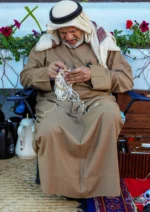
Gabriel Young
My dissertation investigates how struggles over land and labor in date agriculture and oil extraction around the Persian Gulf port city of Basra transformed the twentieth-century Iraqi state. At the heart of the study is a puzzle: why did the growing material wealth of Basra province between the 1920s and 1960s—first in cash crops and then in hydrocarbons—coincide with the erosion of its historically vibrant civil society? How did a central hub of the Gulf region become a province that was at once a commodity frontier and a political and territorial periphery of the Iraqi state?…
Documenting Sea Change in the Persian Gulf
Dissertation Summary
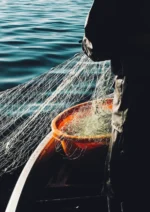
Scott Erich
Since 2020, I’ve been conducting ethnographic and historical research about property at sea in the lower Persian Gulf for my first book project, entitled Taming the Sea: Environment, Enclosure, and Extraction in Southeastern Arabia. My interlocutors in the book are largely fishermen from the southeasternmost states of the Arabian Peninsula: the United Arab Emirates and Oman. In Taming the Sea, my interlocutors and I ask and answer a fairly simple question: who, other than God, can possibly “own” the ocean? The answer, it turns out, can be quite complicated…

Indigenous Refusal: Arab Minority and the Formation of the Modern State in Iran
Dissertation Summary
Aghil Daghagheleh
My dissertation, Indigenous Refusal, is an ethnographic and historical study of Arab communities in Khuzestan, a province in the southwest of Iran, examining how they negotiate state power and resist its practices. The dissertation begins with ethnographic observations that show how Arab people describe themselves as Indigenous (al-sokan al-asliyeen), as communities deeply embedded in the ecological world they inhabit: in the land, the marshes and their reedbeds, and the rivers, to name a few. Their claim of indigeneity is inseparable from a strong sense of refusal: a refusal of the state’s claim to sovereignty over the region; a doubt about the meaning of Iranian citizenship; a rejection of what they see as exogenous forces seeking to displace and uproot them; and a refusal of the narrative that incorporation was salvation and modernization rather than catastrophe. This refusal is widespread, resurfacing in poetry, everyday conversation, and in the slogans of protests that erupt in the region from time to time…
The Making of a Migrant Working Class: Contesting Citizenship in Kuwait and the Persian Gulf, 1925-1975
Dissertation Summary
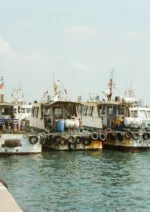
Alex Boodrookas
This dissertation traces how citizenship and migration shaped the politics of the midcentury Persian Gulf, with a focus on Kuwait. It begins with the emergence of the deportation state in the aftermath of WWI and ends with the nationalization of Kuwaiti oil in 1975, when the region’s most powerful labor movement won its most significant victory but lost its longstanding effort to unite a multinational working class. The dissertation argues that the major transformations of the twentieth-century Gulf—the disintegration of British imperial sovereignty, the formation of autocratic states, the inrush of hydrocarbon wealth, the rise of mass politics, and the nationalization of oil—hinged on a heated struggle over the meaning and outlines of citizenship. It has now been heavily revised, expanded, and rewritten to become the core of a new book manuscript entitled Comrades Estranged: Labor and Citizenship in the Twentieth-Century Persian Gulf (Stanford University Press, 2026)…

Related Content
 New Horizons in Persian Gulf Studies (©Background)
  GlobIS Review, Volume 2, Issue 1 (©Background)
  GlobIS Review, Volume 1, Issue 3
  Breathing the Mist, Untangling the “Complicated”: How Scholars of Muslim Backgrounds Viewed the Jina Movement in Iran (©Background)
  GlobIS Review, Volume 1, Issue 2
  GlobIS Review, Volume 1, Issue 1
Comments are closed.