A history of the network of allied armed groups that Iran built around the idea of “resistance”, and of how it weakened after the Gaza war began in 2023.
Books, films, reports and more on Iran and its region.
A history of the network of allied armed groups that Iran built around the idea of “resistance”, and of how it weakened after the Gaza war began in 2023.
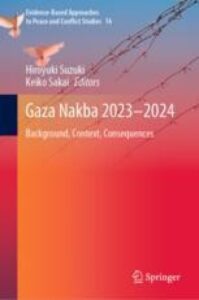
An interdisciplinary volume that places the war on Gaza of 2023–2024 in the longer history of the Israeli–Palestinian conflict and examines its regional and international consequences.
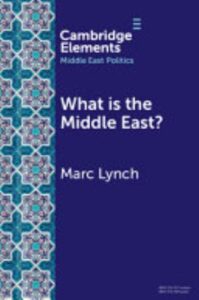
A study of how the idea of the Middle East as a region was made, and of how treating it as a single unit has shaped and limited political science.
A study of six political currents in the modern Middle East and the threats each poses to Iran’s security, ending with a case for nation-centred, interest-based policy.
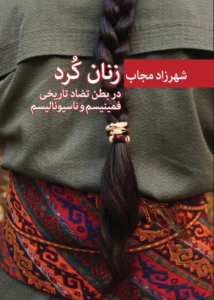
A study of Kurdish women’s lives and struggles across the Middle East and the diaspora in the twentieth century, between the claims of feminism and of nationalism.
Leading political scientists survey a decade of research after the Arab uprisings and show how the field rethought authoritarianism, protest, identity, security and migration.
A comparative study of why the Arab uprisings of 2010–2011 led to democratic progress in some countries and to stagnation, repression or war in others.
Short essays showing how the Middle East has long been connected to the rest of the world through religion, science, culture, trade, migration and political movements.
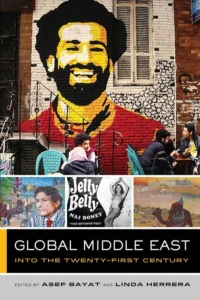
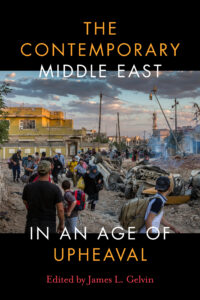
An edited volume on the ‘new Middle East’ that has emerged since the occupation of Iraq and the Arab uprisings, covering states, societies and regional politics.
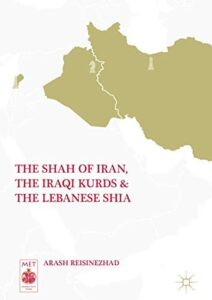
An archival history of how the Shah’s Iran worked with non-state groups, above all the Iraqi Kurds and the Lebanese Shia, to counter its regional rivals between 1958 and 1979.
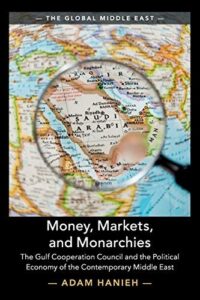
An analysis of the political economy of the Gulf Cooperation Council states and of how Gulf capital has become a central force in the wider Middle East and the world economy.
An analysis of why the Arab uprisings of 2011, revolutionary in their mass mobilisation, remained reformist in their aims and changed little in the structure of power.
A comparative study of how the identity that dominates a state shapes its national interests and foreign policy, with Iran, Turkey, Israel and Egypt as cases.
This website uses cookies to improve your experience. We'll assume you're ok with this, but you can opt-out if you wish. Accept Read More