A historical and ethnographic study of drug policy in Iran that uses the state’s handling of drugs and addiction to examine how the Islamic Republic governs crisis.
Books, films, reports and more on Iran and its region.
A historical and ethnographic study of drug policy in Iran that uses the state’s handling of drugs and addiction to examine how the Islamic Republic governs crisis.
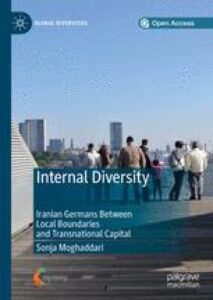
An ethnography of Iranian professionals in Hamburg since the 1930s that links diversity within a migrant community to inequality at local and global levels.
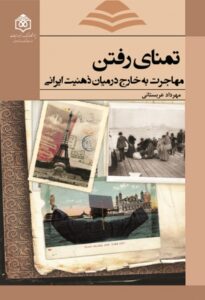
An anthropological study of how the desire to emigrate has become part of a shared outlook in Iranian society, especially among Tehran’s middle class.
A study of the stateless residents of the United Arab Emirates who were given passports of the Comoros, and of the ‘precarious citizenship’ produced by Gulf migration regimes.
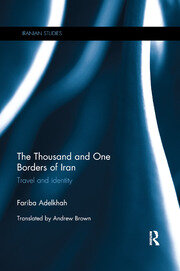
An anthropological study of travel as a social practice, and of how migrants, margins and peripheries have shaped Iranian national identity.
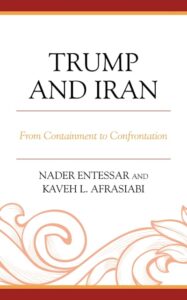
A study of how the first Trump administration moved US policy on Iran from containment to confrontation and brought the two countries close to war.
A study of the sound recordings Kate Millett made in Tehran in March 1979, which reveal a revolutionary moment her own published account did not capture.
An assessment of how far women’s rights activism in Iran has changed women’s legal status, and of why Iran has not ratified the UN convention on women’s rights.
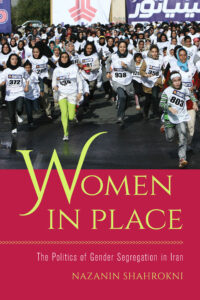
An ethnographic study of gender segregation policies in Tehran’s buses, parks and stadiums, and of what they reveal about the Islamic Republic’s pragmatics of statehood.
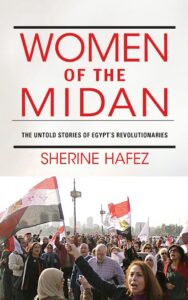
An ethnography of ordinary Egyptian women who joined the revolution of January 2011, read through the lens of the gendered body and of memory.
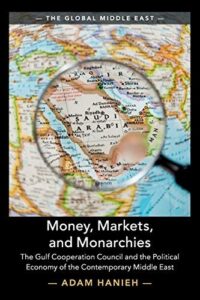
An analysis of the political economy of the Gulf Cooperation Council states and of how Gulf capital has become a central force in the wider Middle East and the world economy.
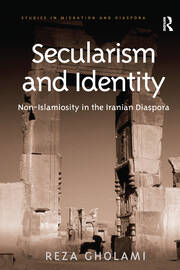
A study of ‘non-Islamiosity’, a form of secularism among Iranians in Britain, and of how it shapes diasporic community, identity and social relations.
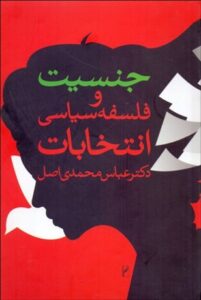
A study of women’s participation in public life and elections in Iran, arguing that sustainable and just development depends on their place in legislation and politics.
An analysis of why the Arab uprisings of 2011, revolutionary in their mass mobilisation, remained reformist in their aims and changed little in the structure of power.
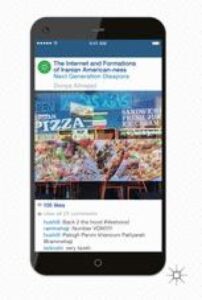
An ethnography of how the children of Iranian immigrants in Los Angeles use the internet, and of how web media shape second-generation Iranian American identity.
A sociological study of how Iranian Americans, legally classed as white, have come to question that status, especially in the generation that grew up after 2001.
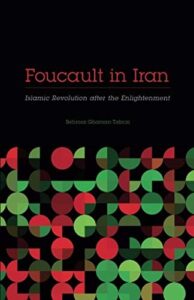
A reading of Michel Foucault’s writings on the Iranian revolution that defends them against their critics and traces how the revolution shaped his later thought.
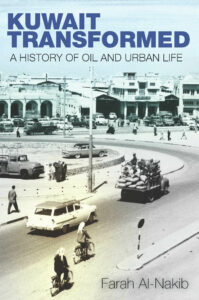
A history of Kuwait City from its founding in 1716 to the twenty-first century, tracing how oil-era planning reshaped its urban and social life.
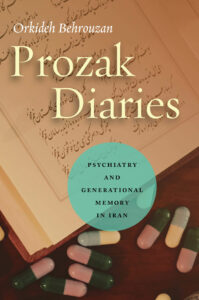
An anthropological study of how a generation of young Iranians came to describe their experience of the revolution and the war in the language of psychiatry.
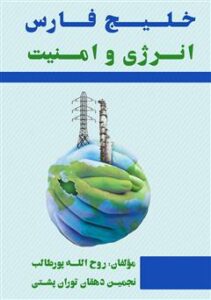
A study of the connection between the Persian Gulf’s energy resources and the security and military policies of its littoral states, drawing on dependency theory.
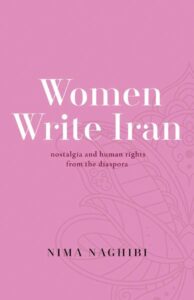
A study of autobiographical writing and other life narratives by Iranian women in the diaspora, read through nostalgia for pre-revolutionary Iran and the language of human rights.
A study of women’s activism in four religious right-wing movements in Israel and Palestine, and of how they justify crossing the limits set on women’s roles.
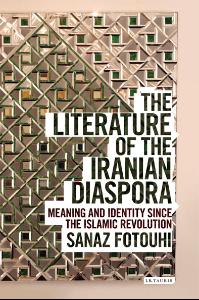
A study of the literature written in English by Iranians of the diaspora since the 1979 revolution, and of how it negotiates individual and communal identity.
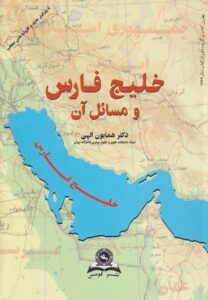
A university textbook on the geography, history, politics and economy of the Persian Gulf, with statistical tables.
This website uses cookies to improve your experience. We'll assume you're ok with this, but you can opt-out if you wish. Accept Read More