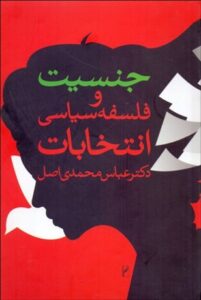
A study of women’s participation in public life and elections in Iran, arguing that sustainable and just development depends on their place in legislation and politics.
An analysis of why the Arab uprisings of 2011, revolutionary in their mass mobilisation, remained reformist in their aims and changed little in the structure of power.
An ethnography of how the children of Iranian immigrants in Los Angeles use the internet, and of how web media shape second-generation Iranian American identity.
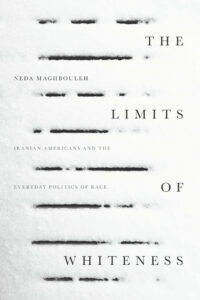
A sociological study of how Iranian Americans, legally classed as white, have come to question that status, especially in the generation that grew up after 2001.
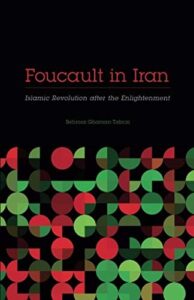
A reading of Michel Foucault’s writings on the Iranian revolution that defends them against their critics and traces how the revolution shaped his later thought.
An anthropological study of how a generation of young Iranians came to describe their experience of the revolution and the war in the language of psychiatry.
Rouhollah Pourtaleb and Najmin Dehqan Touran-poshti
Lowh-e Mahfuz, Tehran, 2016
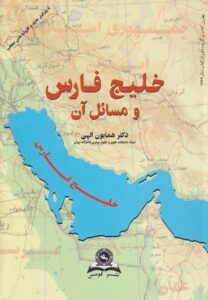
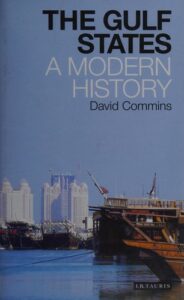
A study of the connection between the Persian Gulf’s energy resources and the security and military policies of its littoral states, drawing on dependency theory.
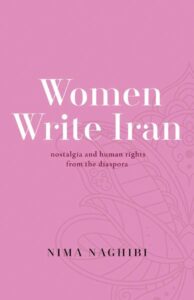
A study of autobiographical writing and other life narratives by Iranian women in the diaspora, read through nostalgia for pre-revolutionary Iran and the language of human rights.
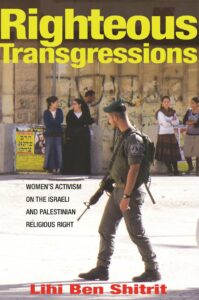
A study of women’s activism in four religious right-wing movements in Israel and Palestine, and of how they justify crossing the limits set on women’s roles.
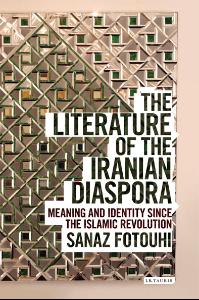
A study of the literature written in English by Iranians of the diaspora since the 1979 revolution, and of how it negotiates individual and communal identity.
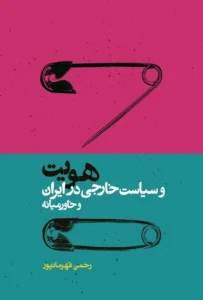
A comparative study of how the identity that dominates a state shapes its national interests and foreign policy, with Iran, Turkey, Israel and Egypt as cases.
An anthropologist’s first-hand account of how villagers near Shiraz were drawn into the 1979 revolution, and of the village’s politics three decades later.
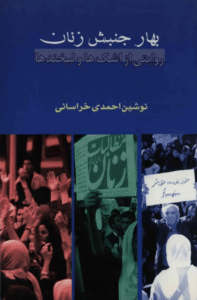
A participant’s archive of the Iranian women’s movement from the late 1990s to 2009, from its revival after the 1980s to the coalitions of its peak years.
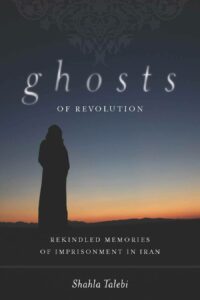
A memoir of imprisonment under both the Pahlavi monarchy and the Islamic Republic, told through the lives of fellow prisoners rather than in chronological order.